
How Air Conditioning Causes Dry Eyes—And How to Prevent It
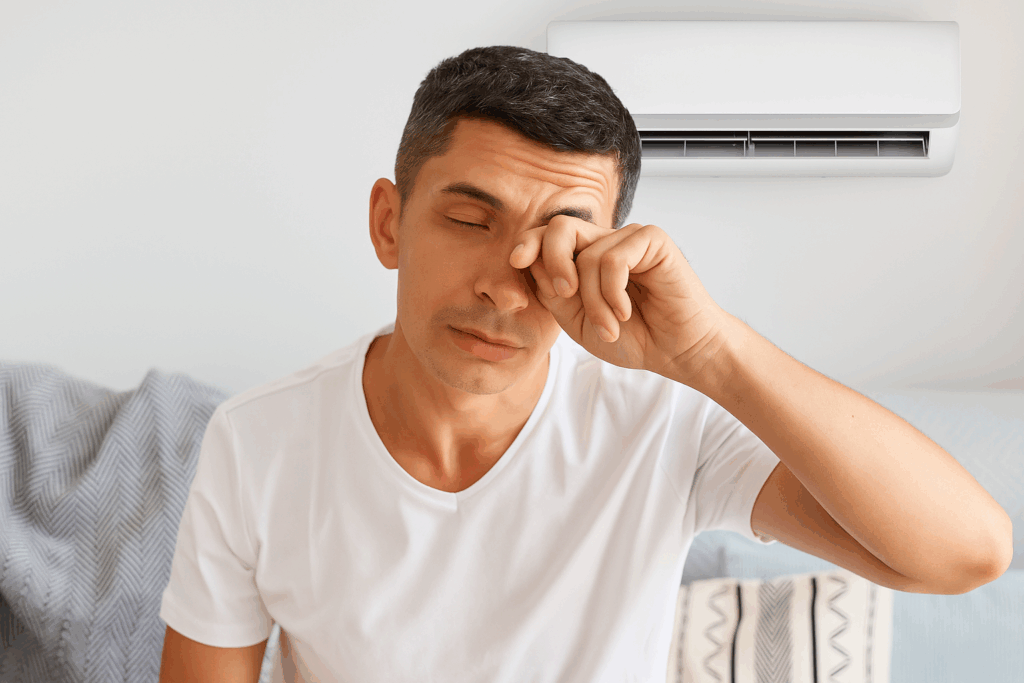
If your eyes feel dry, itchy, or irritated after spending a full day in an air-conditioned space, you’re not imagining it. Whether you’re working in an office, driving long hours, or relaxing at home, prolonged exposure to air conditioning can gradually dry out your eyes and affect your overall eye health. At OptiCare, we often hear patients describe a gritty, tired sensation—especially during the summer months.
Understanding how air conditioning affects your eyes can help you take the right steps to stay comfortable and protect your vision.
Why Does Air Conditioning Dry Out Your Eyes?
Air conditioning works by cooling and dehumidifying the air, but that drop in humidity also dries out the surface of your eyes. When the air becomes too dry, causing your tear film, the thin layer of moisture that protects and lubricates your eyes, to evaporate too quickly. Over time, this can lead to noticeable discomfort or even dry eye syndrome.
These effects can sneak up on you, especially if you spend long hours in air-conditioned environments like offices, classrooms, or vehicles. The longer you’re exposed, the more your eyes struggle to stay hydrated—often without you realizing what’s causing the problem. Here are some of the most common dry eye symptoms linked to air conditioning:
- A stinging or burning sensation
- Redness or irritation
- Blurry or fluctuating vision
- Sensitivity to light
- A gritty or sandy feeling, like something is stuck in your eye
If these symptoms sound familiar, your environment—not just your screen time—could be a major factor in your eye discomfort.
Who’s Most Affected by Dry Eyes in Air-Conditioned Spaces?
Anyone can experience dry eyes in low-humidity environments, but certain people are more likely to feel the effects of air conditioning:
- Office workers seated near air vents or fans
- People who wear contact lenses, which can dry out faster in dry air
- Individuals with existing dry eye disease or reduced tear production
- Older adults, as tear production naturally decreases with age
- Drivers or commuters spending long hours in air-conditioned vehicles
At OptiCare, we pay close attention to lifestyle and work environments during your exam, because everyday exposures like these often play a key role in eye comfort.
How to Reduce Dry Eye Symptoms Caused by AC
Reducing dry eye symptoms often starts with small changes to your environment and routine. Here are some simple, effective strategies we recommend to our patients:
- Use a humidifier to add moisture back into dry indoor air
- Take regular breaks from screens to encourage natural blinking
- Apply preservative-free artificial tears or lubricating eye drops
- Avoid sitting directly in front of air vents or AC units
- Switch to glasses instead of contacts on days when your eyes feel especially dry
When to See an Eye Care Professional
If your eyes constantly feel dry, tired, or irritated, it may be time for a comprehensive eye exam. Chronic dryness can affect your vision, increase your risk of infection, and lead to long-term irritation if left untreated.
At OptiCare, our exams go beyond basic screenings. We evaluate your tear film, examine the surface of your eyes, and consider lifestyle factors to pinpoint the cause of your symptoms—and recommend a treatment plan that works for you.
Don’t ignore dry, irritated eyes—get answers and relief with a personalized eye exam. Schedule an eye exam at OptiCare to check for dryness, update your prescription, and get expert guidance on protecting your eyes year-round.