
Reduced Peripheral Vision — Early Warning Signs for Glaucoma and Other Eye Conditions
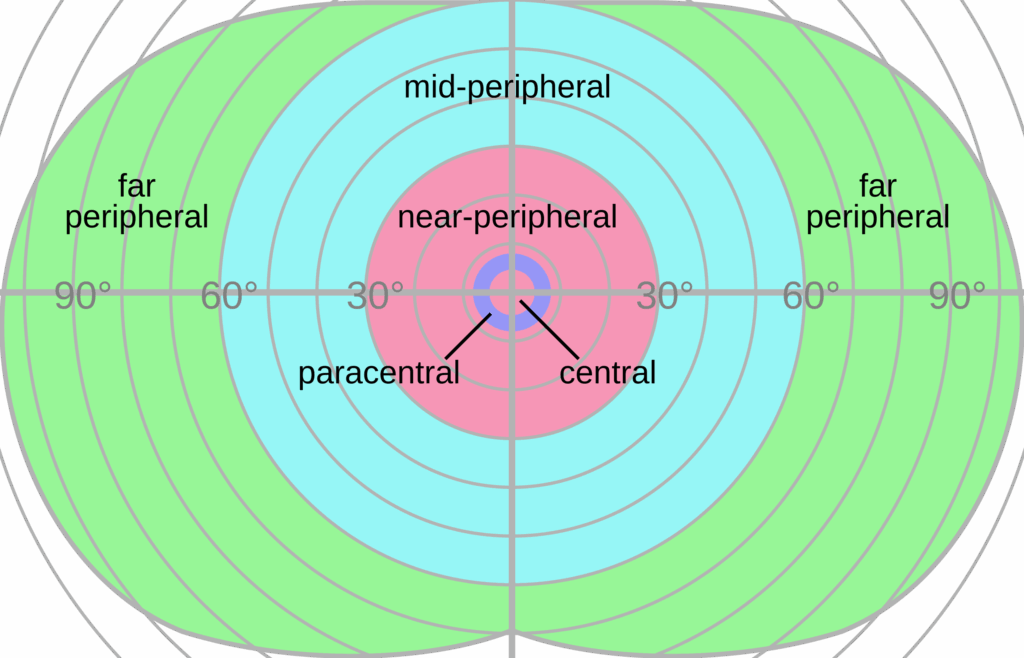
Peripheral vision — the ability to see objects outside the center of your gaze — is crucial for everyday activities, from walking safely to driving. Reduced peripheral vision can be subtle at first, but it’s often an early warning sign of serious eye conditions, including glaucoma, retinal disease, or neurological issues.
Why Peripheral Vision Matters
Peripheral vision helps you:
- Detect movement from the sides
- Avoid obstacles and hazards
- Maintain balance and coordination
- Drive safely
When your peripheral vision diminishes, even small changes can increase the risk of accidents, making early detection essential.
Common Causes of Reduced Peripheral Vision
- Glaucoma – Often called the “silent thief of sight,” glaucoma gradually damages the optic nerve. Peripheral vision loss is one of the first signs, and early detection can prevent permanent vision loss.
- Retinal Diseases – Conditions like retinal detachment or retinitis pigmentosa can affect the edges of your visual field.
- Neurological Issues – Brain tumors, strokes, or other neurological problems can reduce peripheral vision.
- Cataracts and Eye Aging – While more commonly associated with blurry central vision, some lens changes can affect side vision, especially in dim lighting.
Early Signs to Watch For
Peripheral vision loss often goes unnoticed until significant damage occurs. Symptoms may include:
- Difficulty seeing objects at the side while walking or driving
- Frequently bumping into things on one side
- Trouble navigating crowded spaces
- Needing to turn your head to see objects that were once visible peripherally
If you notice these symptoms, scheduling a comprehensive eye exam promptly is critical.
Preventive Measures and Professional Care
- Regular Eye Exams – Annual exams, especially after age 40, can detect glaucoma and other conditions before symptoms worsen.
- Eye Pressure Checks – Intraocular pressure tests help identify glaucoma early.
- Healthy Lifestyle – Managing blood pressure, maintaining a balanced diet, and avoiding smoking can protect eye health.
- Protective Eyewear – Sunglasses with UV protection help prevent lens damage and maintain overall eye function.
At OptiCare Health, our specialists provide thorough eye exams and advanced testing to monitor peripheral vision and detect issues early, helping preserve your sight.
Take Action for Your Peripheral Vision
Don’t ignore subtle changes in your side vision. Early detection of glaucoma and other conditions can prevent permanent vision loss.
- Schedule regular eye exams, especially if you’re over 40 or have a family history of eye disease.
- Report any changes in peripheral vision promptly.
- Maintain a healthy lifestyle and protect your eyes from UV exposure and glare.
At OptiCare Health, our specialists provide advanced testing and personalized care to help preserve your peripheral vision and overall eye health. Book your comprehensive eye exam today — early action makes all the difference.